About Heskin Hall
Heskin Hall
An intriguing mix of Historic House, Event & Wedding Venue and Shopping Experience, Heskin Hall has wide spectrum appeal.
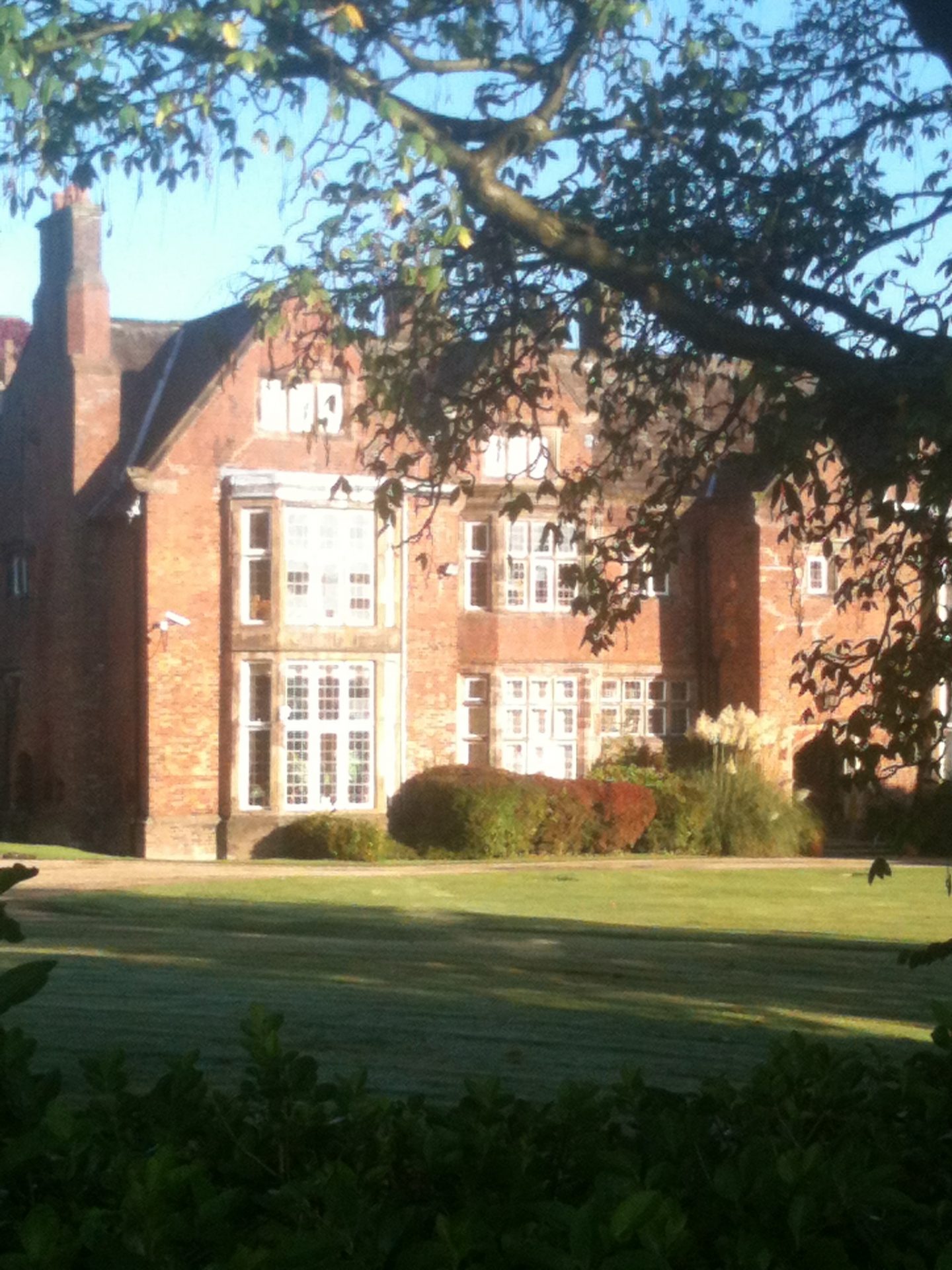
Heskin Hall is one of the best examples of Tudor Architecture in the North West of England. Set in 8 acres of grounds and surrounded by over 300 acres of farmland it boasts panelled rooms, baronial fireplaces, a priest hole and studded oak doors. Family run, it has a warm and friendly atmosphere with staff who are always happy to help.
You can find us just 3 miles off junction 27 M6.
OPENING HOURS – 10 AM – 5PM 6 DAYS (CLOSED WEDNESDAYS)
During the Holiday Period We are closed – Christmas Eve; Christmas Day & Boxing Day;New Years Eve and New Years Day
Admission: £1.50 Adults; £1.00 Concessions; 50p Children
Heskin Hall History
Construction started on this, the New Hall, in c.1545. In 1666 the Hearth tax records show it to be the largest property upon the manor, with 15 hearths.
Surprisingly, although there is a “de-Heskin” family that appears in the records, they do not appear to have any links with the Hall. Earliest records (1212) describe Eccleston and Heskin as one “Knights Fee” held by Roger Garnet. Its in its later history that references to some of the most well known names in English history appear. In 1506 these lands, and others where sold to Edmund Dudley, Minister for Henry VII (later executed for treason). Although initially forfeit the lands did eventually pass to his widow, Elizabeth who married Arthur Plantaganet. this meant it could pass to his son, John Dudley, Duke of Northumberland, in 1511. He too fell foul of his ambition and was executed by Queen Mary. The third generation of Dudleys did no better, Robert was executed by Elizabeth I. The Dudleys misfortune was counterpointed by the rise of the Seymours. They too could not survive court intrigue and in 1556 the property was sold to a local nobleman, Richard Molyneux .
It remained in the hands of the Molyneux family until 1739 when it became part of the Mawdsley Estates until sold to Alexander Kershaw in 1744. A wealthy member of the new Industrial Rich who originally came from Rochdale he seems to have led quite a “free living” lifestyle. He never married but left three acknowledged children at his death in 1788, Edward Newman Kershaw, John Copper and James Kershaw. By a will dated 1786 Edmund inherited but on his death (again without legitimate children) it passed to his brother John. His death in 1833 again without legitimate children led to a legal dispute. It was the heirs of Mary (Kershaw) Scott who emerged victorious from court. The main issue of the case seems to have been if her children where legitimate i.e. had she married their father. The sister of Alexander she is said tp have “escaped” from her wedding day fleeing the church door riding pillion with her lover, Ralph Scott. The court accepted witness testimony that they has married there being no written evidence.
The last people to occupy the Hall as a home were Lord & lady Lilford in the 1960′s. She was an ex dancer and actress and on their divorce in 1969 the Hall went to her as part of her settlement. Since then occupaion has been commercial, including Blackburn College and a double glazing firm, who both used it for training purposes.
The Ghosts
Probably the most talked about inhabitants of the Hall are the ghosts. There were three documented but one left, it is said, with his piece of furniture many years ago. The two remaining are the a young girl and an older man that are said to date from the Civil War. The Hall and much of the surrounding County was a centre for much activity with several battles and skirmishes fought nearby. Indeed the County saw many atrocities and fighting here was amongst the fiercest in the Country.
The Hall was allegedly an overnight stopping place for Oliver Cromwell as well as being a site for the hanging of religious martyrs. Certainly the then owner, John Molyneux, is known to have declared for Parliament but only after the fall of Lathom House (a Royalist stronghold) and he had to compound for the estate.
As to the ghosts themselves they are said to be the those of a youg Roman Catholic girl named Mathilda who was hanged by a Priest found at the Hall by Cromwells’ soldiers, as evidence of his conversion to Protestantism. Cromwells’ soldiers were unconvinced and hung him from the same spot.
Whatever the truth of it is on record describing the haste of some of her guests to depart as a result of sightings and incidents are reported regularly to this day by staff and visitors to the Hall.
FOR A MORE INDEPTH HISTORY WHY NOT BOOK A GROUP VISIT WITH TALK ABOUT THE HALLS’ HISTORY?